
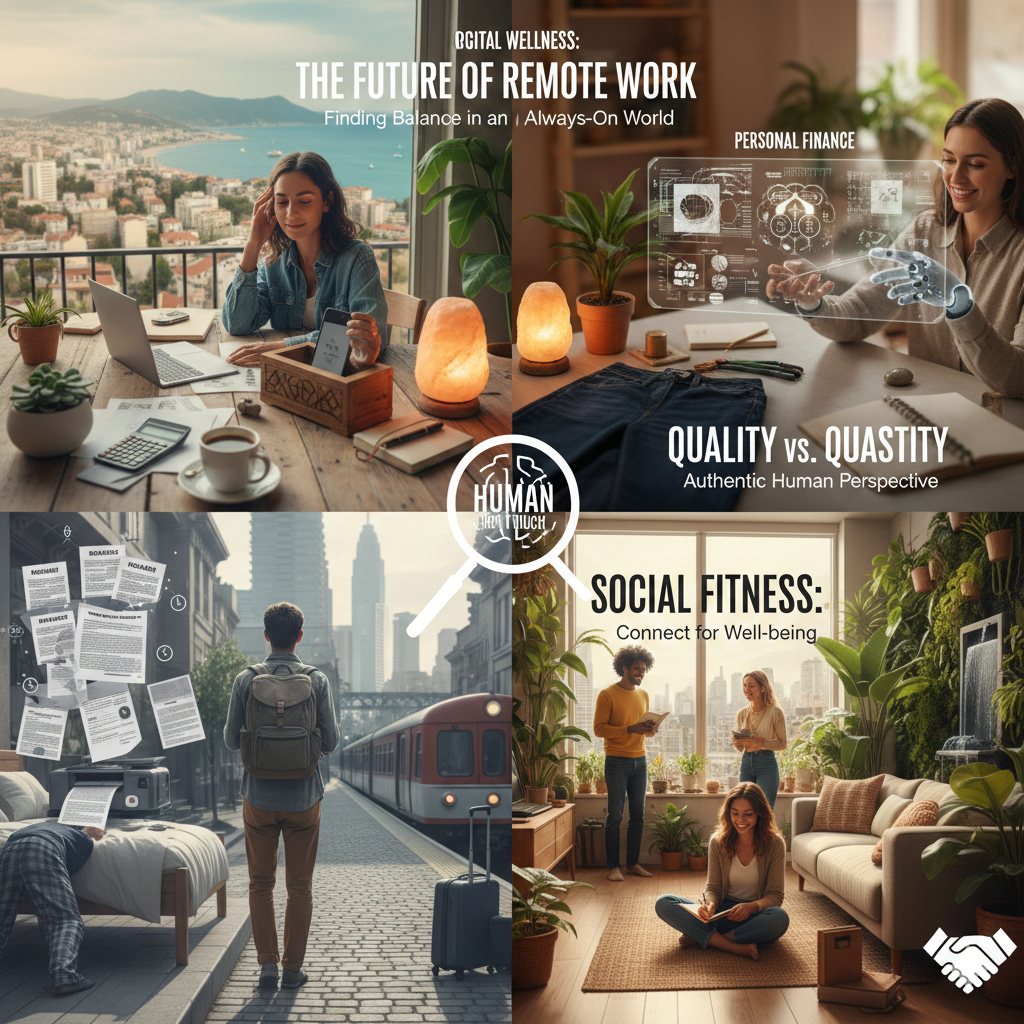
While the initial shift to remote work was born of necessity, the next phase is about sustainability and intentionality. We are moving toward a “work-from-anywhere” culture where digital nomadism and asynchronous communication are no longer perks but standard operating procedures. Companies that thrive in 2026 will be those that prioritize output over “green-dot” presence, investing in tools that foster genuine connection across time zones. This evolution requires a complete teardown of the traditional 9-to-5 framework, replacing it with results-based tracking and radical transparency. The challenge for management is no longer “How do I know they are working?” but “How do I ensure they don’t burn out?” As the boundaries between living and working spaces blur, the focus shifts to mental health and the “right to disconnect.” True success in this era belongs to the organizations that treat remote work as a strategic advantage rather than a temporary compromise. By embracing flexibility, businesses can tap into a global talent pool that was previously inaccessible, fostering a diverse workforce that brings unique perspectives and innovative solutions to the table every single day.
While the initial shift to remote work was born of necessity, the next phase is about sustainability and intentionality. We are moving toward a “work-from-anywhere” culture where digital nomadism and asynchronous communication are no longer perks but standard operating procedures. Companies that thrive in 2026 will be those that prioritize output over “green-dot” presence, investing in tools that foster genuine connection across time zones. This evolution requires a complete teardown of the traditional 9-to-5 framework, replacing it with results-based tracking and radical transparency. The challenge for management is no longer “How do I know they are working?” but “How do I ensure they don’t burn out?” As the boundaries between living and working spaces blur, the focus shifts to mental health and the “right to disconnect.” True success in this era belongs to the organizations that treat remote work as a strategic advantage rather than a temporary compromise. By embracing flexibility, businesses can tap into a global talent pool that was previously inaccessible, fostering a diverse workforce that brings unique perspectives and innovative solutions to the table every single day.
While the initial shift to remote work was born of necessity, the next phase is about sustainability and intentionality. We are moving toward a “work-from-anywhere” culture where digital nomadism and asynchronous communication are no longer perks but standard operating procedures. Companies that thrive in 2026 will be those that prioritize output over “green-dot” presence, investing in tools that foster genuine connection across time zones. This evolution requires a complete teardown of the traditional 9-to-5 framework, replacing it with results-based tracking and radical transparency. The challenge for management is no longer “How do I know they are working?” but “How do I ensure they don’t burn out?” As the boundaries between living and working spaces blur, the focus shifts to mental health and the “right to disconnect.” True success in this era belongs to the organizations that treat remote work as a strategic advantage rather than a temporary compromise. By embracing flexibility, businesses can tap into a global talent pool that was previously inaccessible, fostering a diverse workforce that brings unique perspectives and innovative solutions to the table every single day.